
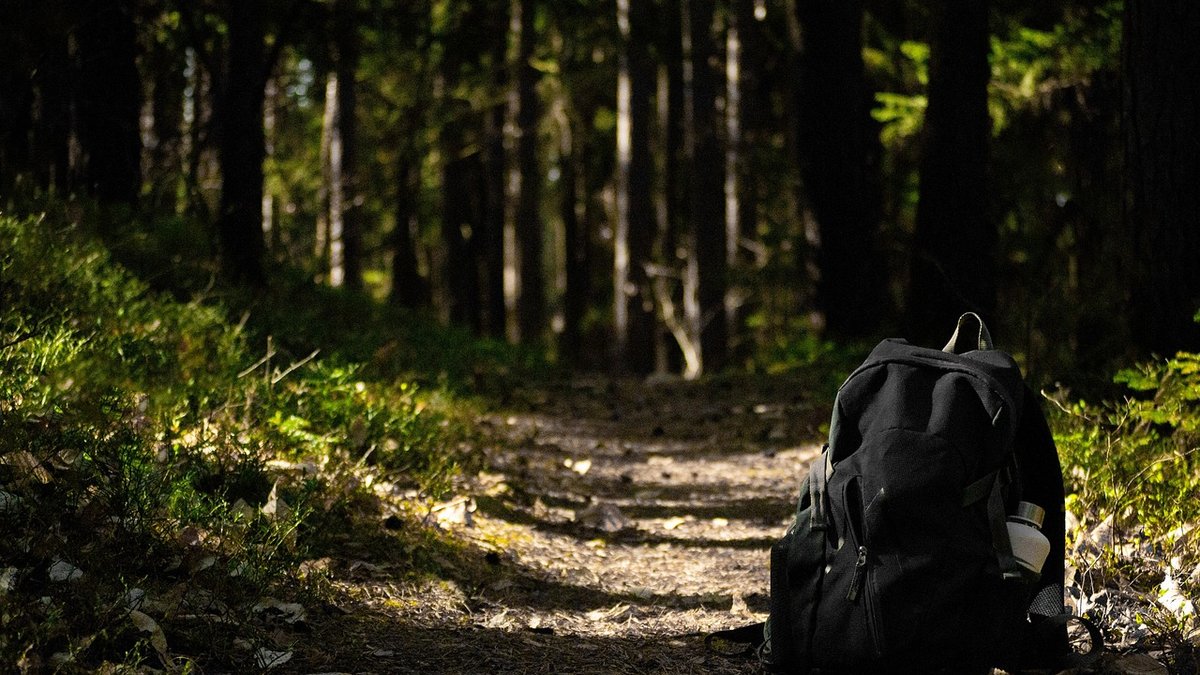
A modular packing system is not about owning more bags. It is about giving every item a clear home, then moving those homes between a rucksack, a bike, and a commute bag without unpacking everything at the kitchen table. For UK conditions, where a sunny morning can turn into horizontal rain by lunchtime, that matters. If your sleep kit is already sealed in its own dry module, a leak in your main pack is annoying rather than trip-ending.
The real win is adaptability. A weekend hike needs a different load to a bikepacking overnighter or a daily commute, but the core items are often the same: spare layer, food, tools, electronics, sleep system. Modular packing lets you swap, compress, access, and repair smaller units instead of treating your pack as one black hole. It also makes you faster at camp, because you know exactly which cube holds the stove and which pouch has the first aid kit.
Start with four or five modules, sized in litres. You can buy them, but making them is satisfying and lets you fit your exact kit. Aim for rectangular shapes that tile together without wasting space.
Dimensions matter more than litres alone. Aim for modules around 30 x 20 x 15 cm, 25 x 15 x 10 cm, and 20 x 10 x 8 cm. If you are sewing your own, use a 70D ripstop nylon with a PU coating, a #5 zip, 1 cm seam allowance, and boxed corners. Add grosgrain loops at the corners and bar-tack them well. For waterproof cubes, use a roll-top closure and seal the seams. Colour-code by job: yellow for sleep, blue for clothing, red for food, grey for tools. It sounds fussy until you are hunting for a dry jumper in a dark tent.
Straps turn separate cubes into a system. Use 20 mm webbing for light modules and 25 mm webbing for heavier loads. Ladder locks let you adjust length, while side-release buckles give one-handed access. Add D-rings or a daisy chain to your pack and bike frame so modules can be clipped on and off. Rubberised straps are excellent for handlebar rolls and seat packs because they grip without crushing the contents. Shock cord is handy for wet shells, drying socks, or a foam sit mat.
Compression should be gentle. Two horizontal straps around a sleeping bag module are usually enough; a vertical strap helps if the load is tall. Over-compressing stresses seams, zips, and coatings. For bikepacking, keep metal buckles away from frame tubes and brake lines, and check that straps cannot rub on tyres. For commuting, use elastic keepers to stop loose strap tails flapping. Balance is just as important: heavy items close to your spine or bottom bracket, light bulky items high or forward. A 10-litre cube weighs little, but it shifts a lot if it swings.
Weekend hike: use a 35–45 litre pack. Put the sleep dry bag at the bottom, clothing cube above it, then food and electronics at the top. Strap a wet shell outside where it can drain. Keep map, snacks, and phone in hipbelt pockets. If the weather turns, you can pull the dry bag out and leave the rest of the pack in a porch.
Bikepacking: split the same modules across the bike. Seat pack for clothing cube and sleep kit. Handlebar roll for tent or tarp and sleeping mat. Frame bag for tools, food, and electronics. Keep water low and central. Use one small cube for snacks you can reach while riding. The aim is no rucksack on your back, so every module needs a secure, rattle-free home.
Daily commute: use a 15–20 litre backpack or pannier. Clothing cube, food cube, electronics pouch. Add a small strap for a jacket. If you cycle to work, a pannier insert with the same cubes means you can swap bags without repacking. The modular habit pays off when you arrive, change, and go.
Before each trip, check zips, buckles, and webbing. A modular system is easier to repair because faults are isolated. If a zip fails, you can still use the dry bag. Keep a small repair kit: strong needle, polyester thread, spare side-release buckles, ladder locks, a metre of 20 mm webbing, two metres of cord, clear repair patches, and seam sealer. Re-sew loose bar tacks. Replace cracked buckles before they fail in the rain. Rinse mud from zips, dry thoroughly, and store cubes loosely rather than compressed.
Start with one trip and one set of modules. Label them if you share gear. After each outing, ask what you used, what you never touched, and what was hard to reach. Move one item, shorten one strap, or add one small loop. That slow refinement is how a generic packing system becomes your packing system. Whether you are heading for the hills, loading a bike for a bothy night, or simply getting to work dry, the modular approach keeps your kit organised, repairable, and ready for whatever the British weather decides to do next.

Hi, my name is Anthony kuber. I am artist and fashion designer.
I love to travel and writing blogging.
Your email address will not be published. Required fields are marked *
Software Developer & Writer
Hey, I'm Diva, a developer and writer blending code and creativity. I'm driven by a deep curiosity and a relentless pursuit of excellence. Join me as I craft digital solutions and captivating stories.


